ESTIMATOR · BOISE & TREASURE VALLEY
Fascia & Soffit Cost Calculator in Boise & the Treasure Valley
Fascia and soffit repair is priced by linear footage and the extent of the rot — sound-wood replacement is cheaper than tearing into water-damaged board that's spread to the soffit and rafter tails. Material choice (PVC, composite, cement, aluminum-wrap, cedar) and story count also move the number. We work from national professional ranges adapted to the Treasure Valley because no Idaho-specific published per-foot figure exists; the on-site visit produces the written quote.
Use the calculator below for a quick range, then read the cost drivers and example project profiles to see where your home likely falls.
WHAT YOU’LL GET
A ranged fascia & soffit estimate, in under a minute.
Low / typical / high
Three figures, not one. We never publish exact prices — every home is different.
Pricing variables shown
The calculator shows what assumptions produced your number so you can adjust them.
On-site quote next
Real quotes require an on-site visit. The calculator is for budgeting before that call.
COST DRIVERS
What drives the cost of fascia & soffit.
Fascia and soffit repair is priced by linear footage and the extent of the rot — sound-wood replacement is cheaper than tearing into water-damaged board that's spread to the soffit and rafter tails. Material choice (PVC, composite, cement, aluminum-wrap, cedar) and story count also move the number. We work from national professional ranges adapted to the Treasure Valley because no Idaho-specific published per-foot figure exists; the on-site visit produces the written quote.
Price tiers, line items, and local cost factors are in the fascia & soffit cost guide for Boise.
WHAT’S INCLUDED
What’s included in a fascia & soffit visit.
Inspection and rot mapping
We probe the fascia and soffit to find where the wood has gone soft, trace how far the decay has spread, and check the rafter tails behind the boards. Because fascia rot is usually gutter-driven, we also look at why water is reaching the wood — overflow, back-pitch, a pulled section, or a failed downspout — so the repair fixes the cause, not just the symptom.
Gutter detachment and tear-out
We detach the affected gutter runs, then remove the rotted fascia board and any decayed soffit panels. Off comes everything that's soft, spongy, or showing the cascade staining where water has been dripping from the fascia onto the soffit.
Rafter tail treatment and substrate prep
With the boards off, we inspect and treat the exposed rafter tails and sub-fascia. Any framing that's begun to decay from prolonged wetness is addressed before we close the eave back up — covering rot doesn't stop it.
Rebuild on rot-resistant material
New fascia and soffit go up in the material you chose — PVC, composite, cement/Hardie, or aluminum-wrapped wood — sized and fastened to give the gutters a solid nailing surface. We restore continuous soffit ventilation so the attic airflow that keeps the eave dry (and helps prevent ice dams) stays intact.
Re-hang and re-pitch gutters
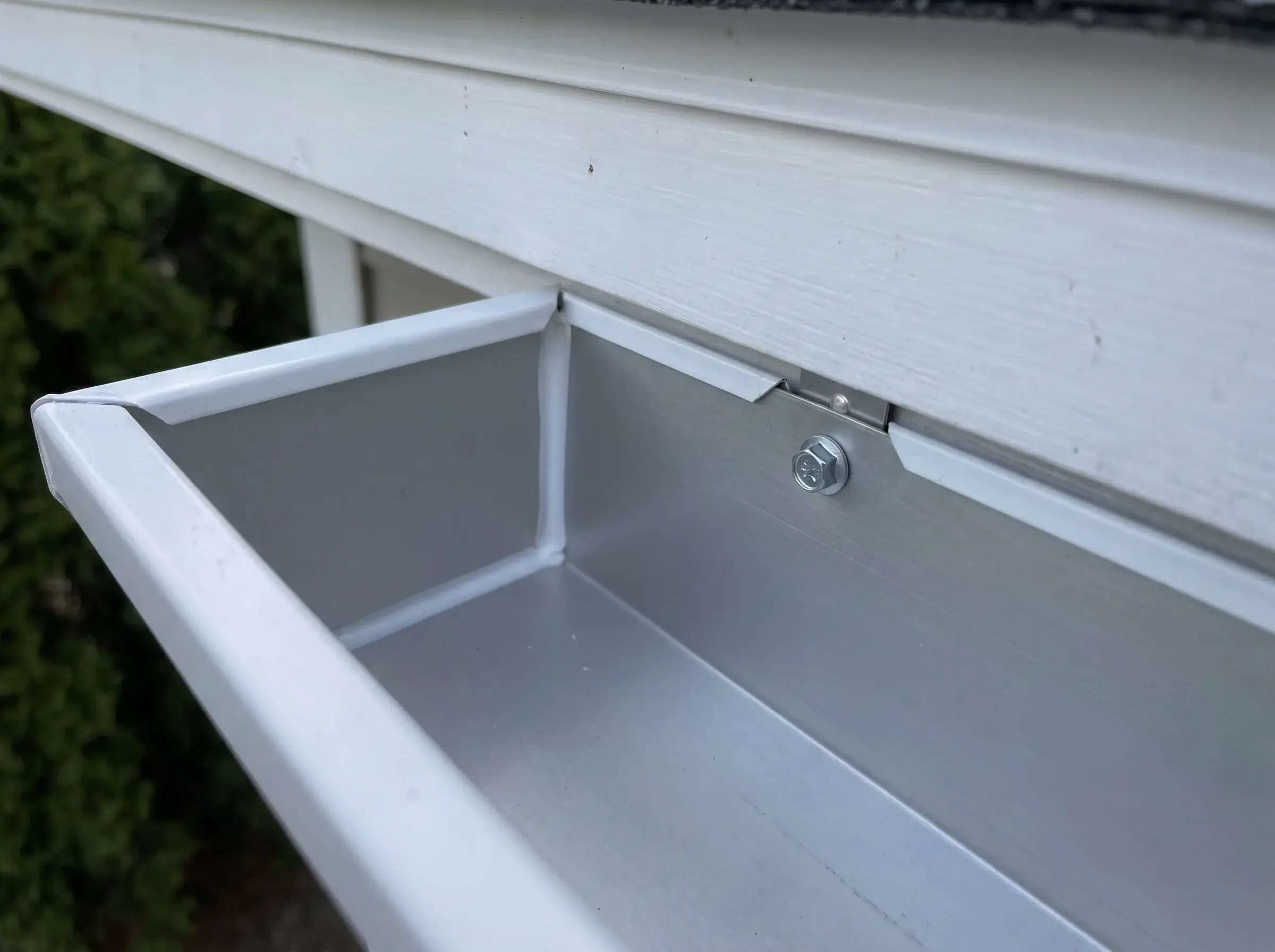
Gutters are re-hung on hidden-hanger screws into the new solid board, re-pitched toward the downspouts, and resealed at any joints we opened. This is the step that's impossible on rotted wood and the reason fascia repair and gutter work belong in the same visit.
Water test and walkthrough
We flush the re-hung runs to confirm the gutters drain and the rebuilt eave stays dry. We walk the work with you, explain what caused the rot, and leave a written summary so you know what to watch for going forward.
QUESTIONS
Fascia & Soffit cost questions.
Frequently asked questions
How much does fascia and soffit repair cost in the Treasure Valley?
What causes fascia rot in the first place?
Can you replace the fascia and re-hang my gutters in one visit?
What material do you replace rotted fascia with?
How do ice dams damage fascia and soffit?
NEXT STEP
Get your real fascia & soffit quote.
Free on-site estimates. Written quote before we leave. No same-day-close pressure. Licensed Idaho contractor RCE-6681702.
Calculator deep-link: open the full calculator with fascia & soffit pre-selected.
Ready for Fascia & Soffit in the Treasure Valley?
Free on-site estimates from a licensed Idaho contractor — written quote before we leave.